

UCLA Aliso Canyon Disaster Health Research StudyPSE Healthy Energy

Aliso Canyon Disaster Health Research Study

Pipeline Gas Composition Testing, 2024–2025

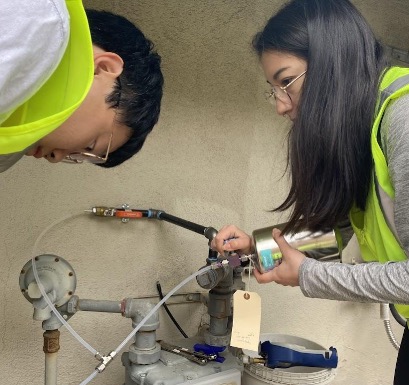
We thank everyone who participated in our natural gas pipeline study. We collected natural gas samples directly from participants' home gas meters over six sampling rounds between June 2024 and April 2025. We took these measures to inform environmental modeling for the study and to understand potential community exposures to hazardous air pollutants from natural gas. Samples were analyzed using EPA Method TO-15. This method is a standard way to measure certain chemicals called volatile organic compounds (VOCs) in the unburned gas.

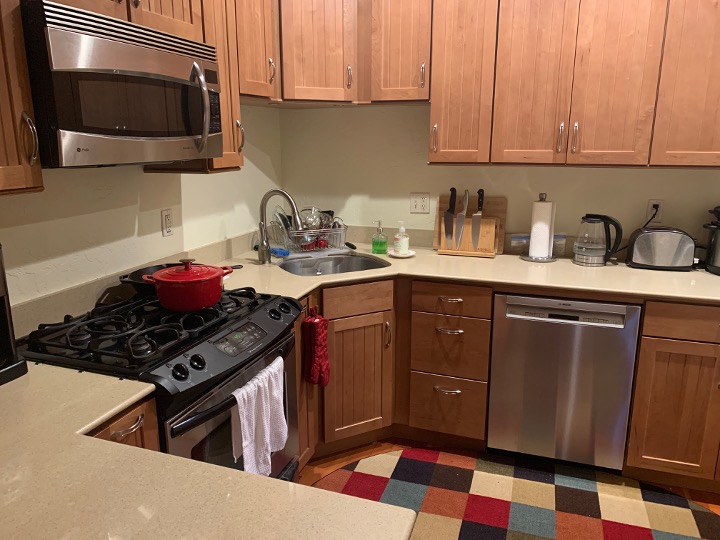
In this report, we focus on three of the most health-relevant compounds we detected: benzene, toluene, and n-hexane. These are present in small amounts in natural gas and have established health guidelines for indoor and outdoor air from agencies such as the U.S. EPA (Environmental Protection Agency), the World Health Organization (WHO) and the California Office of Environmental Health Hazard Assessment (OEHHA). Because these measurements are of the gas inside the gas pipeline (not ambient air), they only become an exposure concern if gas leaks into indoor or outdoor air. Gas may enter a home through leaks in pipes or from gas appliances--both while they are off and while they are operating.

Understanding the Differences Between Pipeline Gas and Indoor Levels

The levels in this report describe gas inside the pipeline.

We sampled the gas flowing inside the pipeline — at the outdoor gas meter that feeds the house. We measured the composition of that pipeline gas itself — methane, BTEX compounds (benzene, toluene, ethylbenzene, and xylenes), and added odorants. Here, we report concentrations we found of benzene, toluene, and n-hexane.

Gas levels in a room are always less than in the pipeline and are dependent on indoor leaks.

If even a small amount of that gas escapes — typically from a joint or fitting in the pipe — it enters the much larger volume of air already in the room.

The air a person actually breathes is this diluted mix. The concentration reaching the lungs is much lower than the concentration we measured in the pipeline itself.

The indoor/outdoor measurement team measured indoor air quality in homes and did not find indoor levels of benzene above set health standards.

The takeaway: concentrations inside the pipeline are much higher than concentrations in ambient air. Exposure to pipeline gas requires a leak inside a home, either from an appliance or from an interior pipeline. The size of the house and its ventilation will also affect the resulting exposure concentration.

Overall Conclusions

  • Natural gas delivered to residential customers routinely contains benzene, toluene, n-hexane, and other toxic compounds.
  • These compounds are on average higher in gas delivered to the impacted community (those affected by the Aliso Canyon disaster) vs. the study's comparison communities and regional backgrounds. However, the levels of benzene in pipeline natural gas in the impacted community are similar to levels found in other western North American cities.
  • Compounds observed in this study are similar to pipeline gas samples collected by PSE in 2021 across California.
  • Modeled benzene exposures of indoor air from gas stove leaks are generally well below health benchmarks.

For further questions, please contact NaturalGasStudy@psehealthyenergy.org.

Find a home in the results

Select a Home ID to highlight its results in the charts below.

Benzene Levels in Gas Pipelines

Mean concentration per home across all sampling rounds (June 2024 – April 2025). Black bars show the range across the 6 sampling rounds.

Impacted Community
Comparison Communities &
Regional Backgrounds
Range across sampling rounds
020406080100Concentration (ppmv)Impacted CommunityComparison & Backgrounds101102103104105106107108109110111112113114115116201202901902903904Mean:14.8 ppmvMean:10.1 ppmvHome ID

These concentrations are the amount of benzene measured in the natural gas inside the pipeline. Exposure only occurs if gas leaks into ambient air. Health standards (e.g., OEHHA Reference Exposure Levels) are defined for breathing air and are not directly comparable to pipeline concentrations.

Toluene Levels in Gas Pipelines

Mean concentration per home across all sampling rounds (June 2024 – April 2025). Black bars show the range across the 6 sampling rounds.

Impacted Community
Comparison Communities &
Regional Backgrounds
Range across sampling rounds
050100150Concentration (ppmv)Impacted CommunityComparison & Backgrounds101102103104105106107108109110111112113114115116201202901902903904Mean:20.9 ppmvMean:11.5 ppmvHome ID

These concentrations are the amount of toluene measured in the natural gas inside the pipeline. Exposure only occurs if gas leaks into ambient air. Health standards (e.g., OEHHA Reference Exposure Levels) are defined for breathing air and are not directly comparable to pipeline concentrations.

n-Hexane Levels in Gas Pipelines

Mean concentration per home across all sampling rounds (June 2024 – April 2025). Black bars show the range across the 6 sampling rounds.

Impacted Community
Comparison Communities &
Regional Backgrounds
Range across sampling rounds
0100200300400Concentration (ppmv)Impacted CommunityComparison & Backgrounds101102103104105106107108109110111112113114115116201202901902903904Mean:47.3 ppmvMean:51.9 ppmvHome ID

These concentrations are the amount of n-hexane measured in the natural gas inside the pipeline. Exposure only occurs if gas leaks into ambient air. Health standards (e.g., OEHHA Reference Exposure Levels) are defined for breathing air and are not directly comparable to pipeline concentrations.